Myotherapy
What Is Myotherapy? And How Is It Different From Remedial Massage?
Myotherapy is frequently confused with remedial massage. They are not the same thing. Here is a clear explanation of what myotherapy actually is and who it is for.
Myotherapy is a term most people have heard but many cannot clearly define. It is often grouped with remedial massage or described as a type of massage therapy. It is neither of those things.
Myotherapy is a complementary health discipline focused on the assessment, treatment and management of musculoskeletal pain and dysfunction. It is clinical in nature, evidence-based in approach and substantially different from massage in both scope and method.
The difference between myotherapy and remedial massage is the difference between finding the cause and treating the symptom.
What myotherapy actually involves
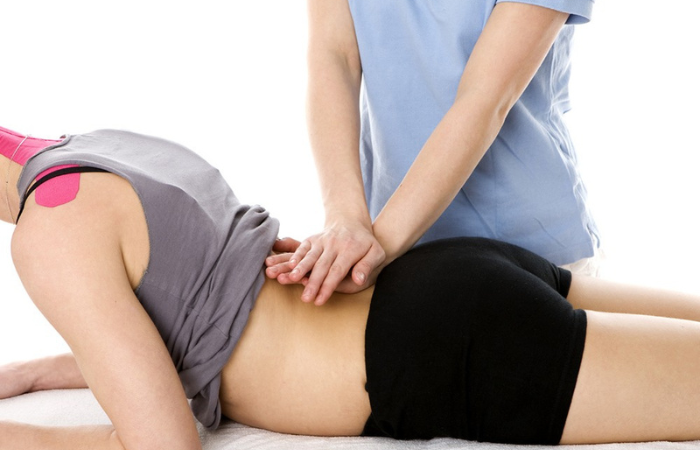
A myotherapy session is not a relaxation treatment. It begins with a thorough assessment, a structured evaluation of how you move, where your pain is and is not, which muscles are contributing and which are not, and what movement patterns or structural factors may be driving your symptoms.
This assessment phase is one of the key distinctions between myotherapy and massage. Rather than beginning treatment immediately, a myotherapist first builds a clinical picture of what is actually happening. Treatment follows from that picture.
The treatment itself draws on a range of techniques including trigger point therapy, dry needling, myofascial release, joint mobilisation, soft tissue manipulation and corrective exercise. Which techniques are used depends entirely on what the assessment reveals.
How myotherapy differs from remedial massage
Remedial massage focuses on the muscles and soft tissue, with the primary goal of reducing tension and improving circulation. It is a valuable treatment for general muscle tightness, stress-related tension and recovery from physical activity.
Myotherapy has a broader clinical scope. It is specifically designed for people dealing with chronic or recurring pain, musculoskeletal conditions and post-injury recovery. The assessment process is more detailed. The treatment approach is more targeted. And the outcomes are oriented toward resolving the underlying cause of pain rather than providing temporary relief.
A myotherapist completes a Bachelor degree or Advanced Diploma level qualification with significantly more clinical training than a remedial massage therapist. Myotherapy is recognised by most private health funds and is claimable under extras cover. Check with your provider for your specific entitlements.
A myotherapist does not just treat where it hurts. They assess why it hurts and build a plan to address the actual cause. That distinction is what makes the difference between temporary relief and lasting results.
What conditions myotherapy treats
Myotherapy is appropriate for a wide range of musculoskeletal conditions. At Back to Life Pain Clinic in Hampton Park, the conditions most commonly treated include chronic back pain, sciatica and referred leg pain, neck and shoulder pain, tendinopathy, hip and knee pain, myofascial pain syndrome, post-injury and post-surgical recovery, and osteoarthritis management.
The common thread is that these are conditions where the underlying cause has not been adequately identified or addressed by previous treatment. Myotherapy’s strength is in finding what has been missed.
Is myotherapy right for you?
Myotherapy is best suited to people dealing with chronic or recurring pain that has not resolved with standard treatments, people recovering from injury who want a clinical approach to rehabilitation, and people who want to understand the cause of their pain rather than just manage the symptoms.
If you have been cycling through the same treatments without lasting improvement, a myotherapy assessment is often where the missing piece is found.
Ready to find out what myotherapy can do for you?
Book your initial assessment.
At Back to Life Pain Clinic in Hampton Park, every session starts with a thorough clinical assessment. Not a quick consultation about where it hurts. A genuine look at how your whole body is functioning and what is driving your pain.
Back to Life Pain Clinic serves clients from Berwick, Cranbourne, Narre Warren, Lynbrook, Endeavour Hills, Hallam and Dandenong South. Book online at backtolifepainclinic.com.au
