
Conditions
How Does Myotherapy Help Myofascial Pain Syndrome?
Myotherapy is one of the most effective treatments for myofascial pain syndrome. Here is exactly how it works and what to expect.
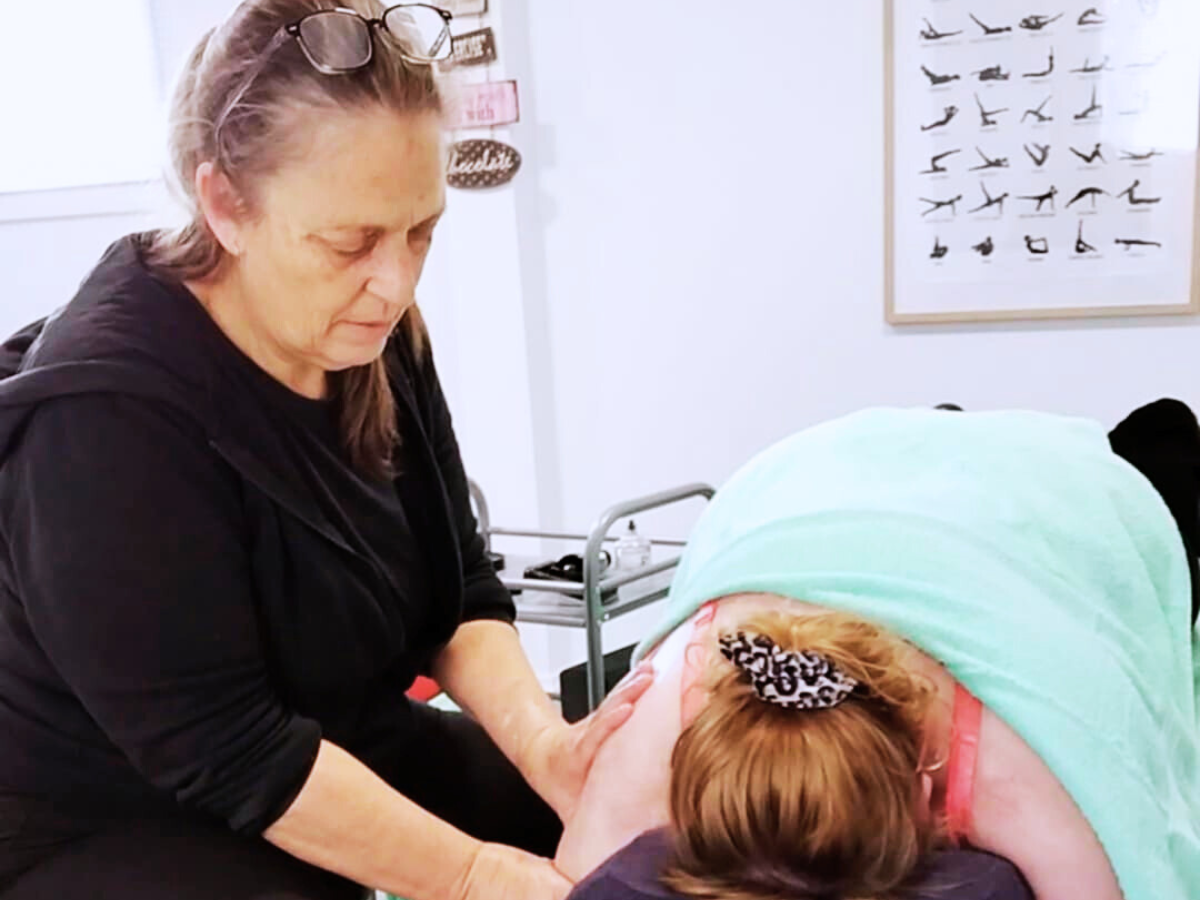
Myofascial pain syndrome and myotherapy are a natural pairing. Myotherapy is specifically designed to assess and treat musculoskeletal pain and dysfunction, and myofascial pain syndrome with its trigger points, restricted movement and referred pain patterns sits squarely within that scope.
But effective treatment is more than just pressing on the sore spots. Here is how a clinical approach to myofascial pain syndrome actually works.
Effective treatment for myofascial pain syndrome has two parts. Releasing the trigger points and fixing what caused them in the first place.
Assessment comes first
Before any treatment begins, a thorough assessment is essential. This involves identifying where the active trigger points are, mapping the referred pain patterns, assessing which muscles are affected and why, and understanding the movement patterns and postural habits that have allowed the trigger points to develop.
This last part is critical. Trigger points do not appear randomly. They develop because certain muscles are being overloaded, either through repetitive strain, sustained poor posture or compensating for other muscles that are not doing their job. Without understanding why the trigger points developed, treatment will provide temporary relief at best.
Trigger point therapy
The primary manual therapy technique used for myofascial pain syndrome is trigger point therapy, sustained pressure applied to the trigger point to release the contracted muscle fibres, restore blood flow and reduce the pain signal.
When done correctly, trigger point therapy produces a characteristic referred pain response, the familiar aching sensation that radiates in a predictable pattern from the trigger point. This confirmation that the right structure has been located is part of what makes the technique effective. The release that follows typically produces immediate reduction in both local and referred pain.
The combination of hands-on treatment and corrective exercise is what produces lasting results rather than temporary relief. One without the other is not enough.
Dry needling
Dry needling uses fine acupuncture needles inserted directly into trigger points to produce a local twitch response, an involuntary contraction and release of the contracted muscle fibres. This is often more effective at releasing deep or stubborn trigger points than manual pressure alone.
Not all clients are comfortable with needling and it is never a requirement. But for those who are open to it, dry needling can significantly accelerate results, particularly for longstanding or deeply embedded trigger points.
Soft tissue work
Beyond trigger point release, myotherapy includes broader soft tissue work to improve the quality of the surrounding tissue. Muscles affected by trigger points are typically tight, restricted and poorly perfused. Techniques including myofascial release, deep tissue work and stretching restore tissue mobility and create the conditions for the trigger points to stay released rather than reforming quickly.
The corrective exercise component
This is the part most treatments miss. Manual therapy and dry needling can release trigger points and reduce pain. But without addressing the underlying cause, the movement patterns and muscle imbalances that allowed the trigger points to develop, they will return.
At Back to Life Pain Clinic, a corrective exercise program is built into every treatment plan for myofascial pain syndrome. This typically involves targeted strengthening of muscles that have been underperforming, mobility work in restricted areas and movement retraining to reduce the ongoing strain on affected muscles. The combination of hands-on treatment and corrective exercise is what produces lasting results rather than temporary relief.
Dealing with myofascial pain?
Let us find what is driving it.
At Back to Life Pain Clinic in Hampton Park, myofascial pain syndrome is one of the conditions we treat most frequently. Book your initial assessment and we will identify your trigger points, map your referred pain patterns and build a treatment plan that addresses both the symptoms and the cause.
Back to Life Pain Clinic serves clients from Berwick, Cranbourne, Narre Warren, Lynbrook, Endeavour Hills, Hallam and Dandenong South. Book online at backtolifepainclinic.com.au

