
Conditions
Sciatica: What It Actually Is and Why Rest Is Not the Answer
Sciatica is one of the most misunderstood conditions we see at Back to Life Pain Clinic. Most people are told to rest. Here is what you actually need to know.
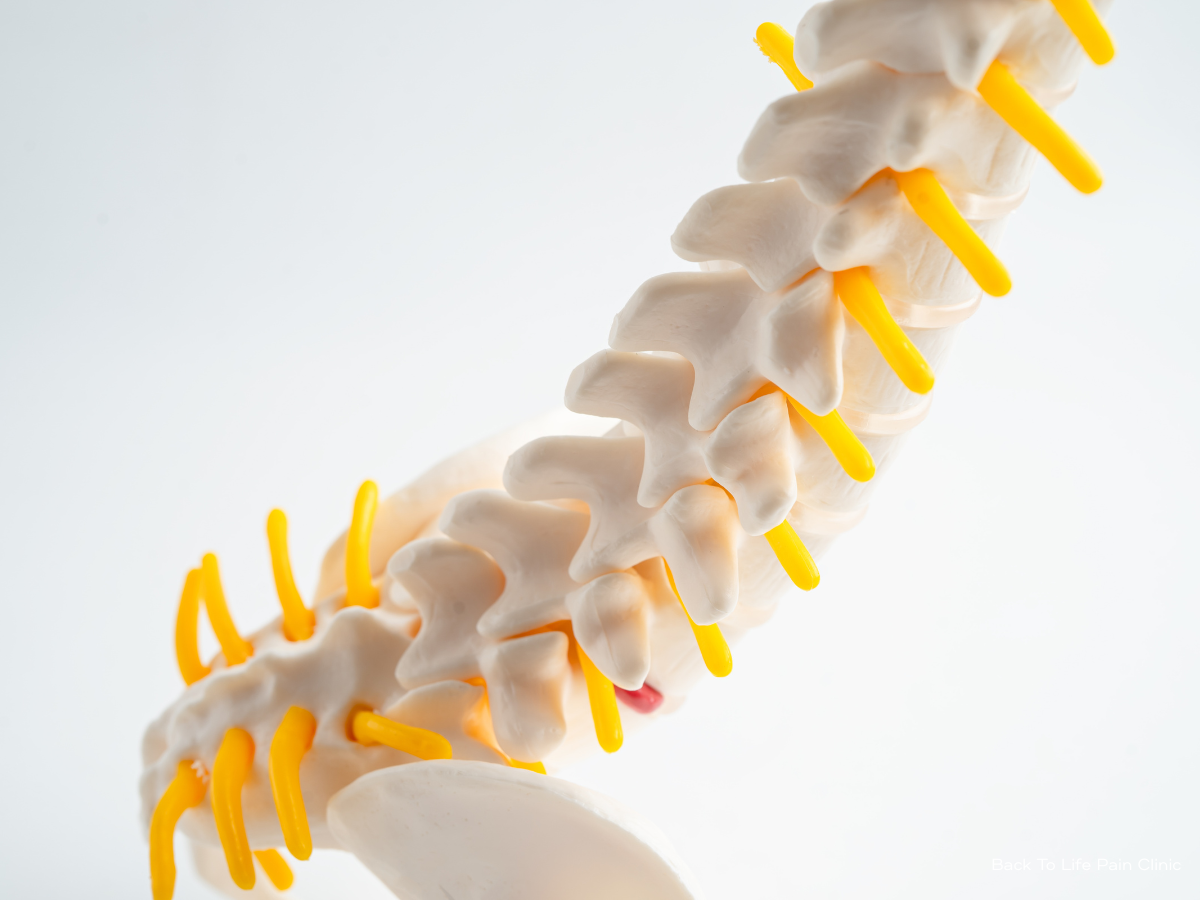
Sciatica is one of the most misunderstood conditions we see at Back to Life Pain Clinic in Hampton Park. Most people are told to rest. Some are given anti-inflammatories. A few are referred for imaging that shows a disc bulge and are then left wondering what to do next.
If you are looking for sciatica treatment in Hampton Park or the surrounding south-east, here is what you actually need to know before you book anything.
Sciatica is not a diagnosis. It is a description of symptoms. What matters is finding what is causing it.
What sciatica is and what it is not
Sciatica is not a diagnosis in itself. It is a description of symptoms, pain that travels along the sciatic nerve, typically from the lower back or hip down into the glute, and sometimes further into the leg or foot. It can feel like a deep ache, sharp pain, burning, or tingling and numbness.
What is important to understand is that sciatica is not the problem. It is a sign that something is irritating or compressing the nerve. This is where a lot of people get stuck. They focus on the pain pathway instead of identifying what is actually causing the irritation in the first place.
Common causes of sciatica
There is no single cause of sciatica, which is why it needs to be properly assessed rather than treated as a one-size-fits-all condition.
A disc bulge or herniation in the lower spine can place pressure on a nerve root. This is often what shows up on imaging, but it is not always the full story. Many people have disc bulges without any pain at all. The piriformis muscle in the glute is another common culprit. The sciatic nerve passes close to, and sometimes through, this muscle, and if it becomes tight or overactive it can irritate the nerve and create sciatic-type symptoms.
Poor control through the hips and pelvis can also place ongoing strain on the lower back and surrounding muscles. In most cases it is not just one factor. It is a combination of how the body is moving, compensating and managing load over time.
Many people have disc bulges on imaging with no pain at all. The scan tells you what is there. It does not tell you whether it is actually causing your symptoms.
Why rest makes sciatica worse long term
Rest is often recommended, especially in the early stages when pain is high. Short-term rest can help settle symptoms. But it is not a long-term solution.
When you stop moving, muscles weaken, joint stiffness increases, blood flow and tissue health decrease, and the body becomes more sensitive to movement. This creates a situation where returning to normal activity becomes harder, not easier. The longer you rely on rest alone, the more the body deconditions and the more likely the pain is to flare again as soon as you try to do more.
Movement, when done correctly, is a key part of recovery. The question is not whether to move. It is how to move in a way that reduces irritation on the nerve rather than increasing it.
What a clinical assessment for sciatica looks for
A proper assessment is essential when dealing with sciatica. Rather than focusing only on where the pain is felt, we look at how your body is functioning as a whole. How your spine and hips move, strength and control through the glutes and core, postural habits, movement patterns during basic tasks such as bending and sitting, and how the nerve is responding to movement.
We also look at your history. How the pain started, what aggravates it and what eases it. This allows us to determine whether the primary driver is coming from the spine, the surrounding muscles or how the body is moving overall. That distinction is what determines the treatment approach.
How myotherapy and the McKenzie Method address sciatica
Myotherapy is not just about relieving pain. It is about identifying and addressing the factors contributing to it. Treatment typically involves hands-on techniques to reduce muscle tension and improve movement, targeted release work for the glutes and piriformis, mobility work to improve how the hips and spine move, and strength-based rehabilitation to restore proper support and control.
Where appropriate, treatment incorporates the McKenzie Method, an evidence-based approach to assessing and treating spinal pain that Kelly is formally trained in. It uses specific repeated movements and positioning to reduce nerve irritation, centralise pain and restore normal function. It is particularly effective for disc-related sciatica and often produces meaningful improvement quickly when the right direction of movement is identified.
The goal is to reduce irritation on the nerve while improving how the body functions as a whole. That is what leads to lasting results rather than temporary relief.
Dealing with sciatica?
Find out what is actually causing it.
At Back to Life Pain Clinic in Hampton Park, sciatica assessment goes well beyond where the pain is felt. We look at how your whole body is moving and functioning to find the real source. Book your initial assessment and leave with a clear picture of what is driving your symptoms and a plan to address it.
Back to Life Pain Clinic serves clients from Berwick, Cranbourne, Narre Warren, Lynbrook, Endeavour Hills, Hallam and Dandenong South. Book online at backtolifepainclinic.com.au

